
How to Prevent Paint Bubbling in Humid Homes
Learning how to prevent paint bubbling in humid homes starts with understanding why moisture creates so many paint failures in places like Charleston, Summerville, Mount Pleasant, and other Lowcountry areas.
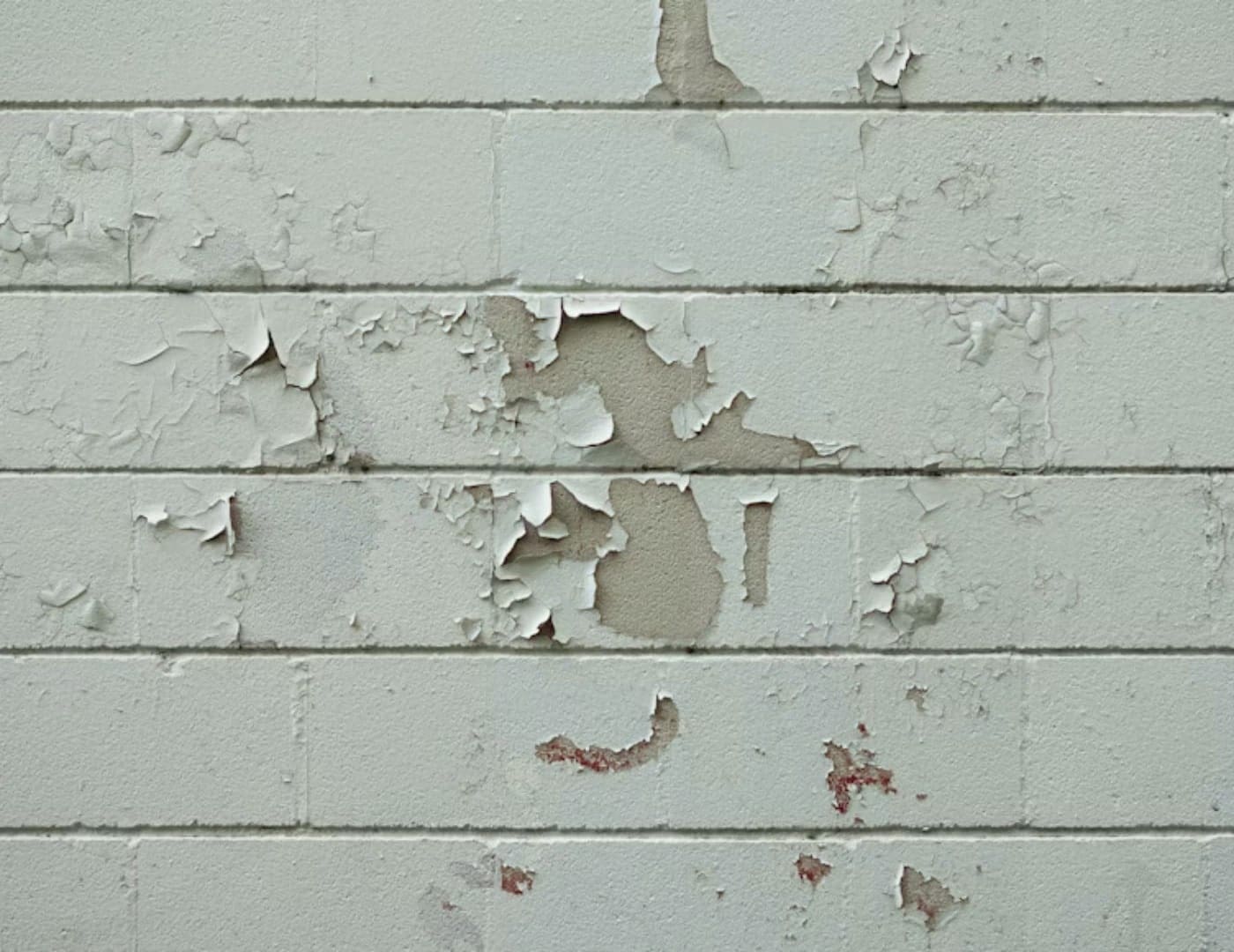
Coastal humidity, warm temperatures, and moisture-absorbing materials can cause water vapor to get trapped beneath the painted surface. When that moisture expands, the paint lifts away from the wall or trim, creating bubbles, blisters, or peeling patches that quickly ruin the finish.
This problem often happens when surfaces aren’t completely dry, when the wrong primer or paint was used, or when the coating was applied in conditions that were too humid. Older homes especially those with aging drywall or limited ventilation experience these issues more often.
The good news: bubbling is preventable with the right steps. When moisture is managed correctly, the surface is prepared properly, and appropriate products are used, the new finish can hold up beautifully even in humid climates.
Below, we break down the key things experts evaluate, the methods used to correct moisture issues, and the best practices that lead to a smooth, long-lasting finish.
What Experts Look for When Diagnosing Paint Bubbling
Before any repainting begins, the first step is identifying why the bubbling happened. Moisture-related paint problems always have an underlying cause, and finding it early prevents the issue from coming back.
Experts typically start by examining where the bubbling appears. This helps narrow down the likely source:
- Small, isolated blisters: often caused by a single moisture pocket
- Large areas of bubbling: may indicate poor ventilation or improper prep
- Exterior bubbling: can point to weather exposure or damp siding
Next, the existing paint is checked for adhesion. If it lifts easily or feels soft underneath, it’s a sign the surface wasn’t sealed, cleaned, or dried properly before the previous coat was applied.
During the inspection, the following moisture pathways are often evaluated:
- Steam and condensation from bathrooms or kitchens
- Hidden plumbing leaks
- Damp drywall or wood
- Air leaks around windows and doors
- Water absorption through exterior materials
Homes in the Charleston Lowcountry often struggle with humidity-driven moisture, but interior conditions like insufficient airflow can also make the issue worse.
Experts also look at the surface material itself. Drywall, plaster, wood, brick, and siding each react differently to humidity and need different prep methods to prevent bubbling.
By understanding these factors upfront, the right repair plan can be created — and the new paint is far less likely to bubble again. determine the correct repair technique. Each surface reacts differently to moisture and requires specific preparation to avoid bubbling.
How Moisture Issues Are Addressed Before Repainting
After identifying the cause of bubbling, the next priority is correcting the moisture problem. Even the best paint won’t adhere properly if the surface underneath is still damp.
The first step is determining where the moisture is coming from. In humid regions like Charleston, that moisture can enter through several pathways — indoors or outdoors.
Inside the home, the most common trouble spots include:
- Bathrooms
- Kitchens
- Laundry rooms
- Rooms with limited airflow
- Walls near exterior doors or windows
These spaces naturally create moisture, and without proper ventilation, surfaces may absorb it. Increasing airflow such as running exhaust fans, using temporary ventilation, or allowing more drying time — helps the surface reach a stable, dry condition.
To confirm the surface is truly ready, a moisture meter is often used. This tool measures the moisture levels inside wood, drywall, or siding. Even a surface that feels dry can still hold water beneath the surface, so this check helps prevent new bubbling from forming.
Exterior surfaces need just as much attention. Charleston’s weather from morning dew to coastal humidity can keep siding damp even when conditions appear dry. Testing these surfaces ensures paint won’t trap residual moisture.
When moisture issues are addressed at the start, the new finish has a strong foundation and is far more likely to stay smooth and durable. new finish is far more likely to bond properly and maintain a smooth, even appearance in a humid home.
Surface Prep to Prevent Paint Bubbling in Humid Homes
Addressing moisture is the first step, but proper surface preparation is what ultimately determines whether paint will bond smoothly and stay that way in a humid home. Good prep work gives the coating a stable foundation, protects it from moisture intrusion, and dramatically reduces the chances of bubbling or peeling.
Remove All Damaged or Unstable Paint
The process begins with clearing away any paint that has bubbled, blistered, or lifted from the surface. If these loose areas stay in place, the new coating will sit on an unstable layer and is far more likely to fail again.
Removing damaged paint ensures that the new finish bonds directly to a firm, sound surface rather than to compromised material.
Typical removal methods include:
- Scraping away bubbled or peeling sections
- Cutting out deep blisters or pockets
- Feathering rough edges so repairs blend cleanly
This creates an even base for the next steps.
Clean the Surface to Improve Adhesion
Humidity encourages mildew, soap residue, oils, and dust to cling to walls especially in bathrooms, kitchens, and laundry areas. Cleaning is essential because contaminants prevent paint from forming a strong bond.
A well-cleaned surface also helps homeowners avoid blistering paint in moisture by removing substances that trap humidity beneath the new coating.
Common cleaning techniques include:
- A mild detergent wash for general dirt or residue
- A mildew-removal solution where organic growth is present
- Rinsing and wiping to ensure no cleaning product remains
A clean surface ensures the primer and topcoat adhere uniformly.
Allow Complete Drying Before Painting
Even a slightly damp surface can lead to bubbling. Drying time varies based on the material, ventilation, and indoor humidity levels, so this stage shouldn’t be rushed.
Professionals often allow surfaces to dry overnight or use ventilation tools such as:
- Fans to increase airflow
- Dehumidifiers to remove moisture from the room
- Temporary ventilation setups in moisture-prone spaces
This step is especially important in Charleston’s coastal climate, where humidity can linger even when walls appear dry.
Sand for Better Bonding and Smoother Results
Sanding creates a texture that helps prime and paint grip the surface. It also smooths the transition between repaired areas and the rest of the wall so the final finish looks even.
Sanding is most important when:
- The previous paint was glossy
- The wall has uneven edges from removed bubbles
- The surface feels slick or overly smooth
This step improves adhesion, stability, and durability.
Apply a Moisture-Resistant Primer
Primer is the final and arguably most important step in preventing bubbling. In humid homes, the type of primer matters just as much as the type of paint. A moisture-resistant or stain-blocking primer helps seal porous surfaces, reduces vapor movement, and protects the topcoat from humidity that causes bubbling. It also helps minimize humidity problems with interior paint, creating a stronger foundation for the final finish.
Benefits of using the right primer:
- Better adhesion
- Improved moisture resistance
- Longer-lasting results
- A smoother, more professional appearance
When all prep steps are performed thoroughly, the new paint bonds properly and is far less likely to blister, peel, or bubble—even in a high-humidity environment.
Choosing Primers and Paints That Hold Up in Humid Climates
Selecting the right primer and paint is one of the most effective ways to prevent bubbling in humid homes. Even with perfect surface prep, the wrong products can allow moisture to push through the coating and cause the finish to fail. The goal is to choose materials that resist humidity, seal the surface, and maintain strong adhesion over time.
A moisture-resistant primer is the first essential product. This type of primer helps block water vapor from moving through the surface and weakens the chances of bubbling. It also improves how well the topcoat bonds and provides added stability for older or porous materials.
Benefits of using a humidity-resistant primer:
- Reduces moisture penetration
- Strengthens paint adhesion
- Helps stabilize drywall, plaster, or wood
- Lowers the risk of bubbling or peeling
The next step is choosing a paint designed for humid conditions. Standard paints can soften or absorb moisture, especially in bathrooms, kitchens, or laundry rooms. Paints formulated for higher humidity create a tighter, more protective film that stands up better to moisture exposure.
Best places to use humidity-resistant paint:
- Bathrooms and shower areas
- Kitchens near sinks and appliances
- Laundry rooms
- Small rooms with limited airflow
- Homes close to the coast
Sheen selection also matters. Some finishes handle humidity better than others. Satin, eggshell, and semi-gloss sheens resist moisture more effectively than flat finishes, which tend to be more porous and prone to absorption.
Recommended sheens for humid spaces:
- Satin
- Eggshell
- Semi-gloss
Fast-drying or low-moisture-sensitive formulas are another advantage in humid climates. These coatings shorten the time moisture has to interfere with the curing process, helping paint settle smoothly and consistently.
Finally, the best protection comes from combining a humidity-resistant primer with a high-quality moisture-resistant paint. Together, they create a durable coating system that withstands Charleston’s humidity, temperature changes, and everyday wear—reducing the chance of bubbling long after the paint dries.
Managing Humidity During and After Painting
Managing humidity during and after painting is just as important as choosing the right products. Even with proper prep and high-quality paint, excess moisture in the air can interfere with how the coating dries and bonds. Keeping the environment stable ensures the finish cures properly and reduces the chance of bubbling.
Before painting begins, the room needs steady airflow. Good ventilation helps the surface dry completely and keeps moisture from settling on the walls or trim. This is especially important in bathrooms, kitchens, and other moisture-prone spaces.
Simple ways to improve airflow before painting:
- Run exhaust fans
- Use oscillating or box fans
- Open windows when outdoor humidity is low
- Run a dehumidifier for several hours
During painting, maintaining consistent humidity helps the coating settle smoothly. Sudden humidity spikes such as from hot showers or heavy cooking can slow drying and trap moisture beneath the surface.
Ways to keep humidity stable during application:
- Avoid steamy activities nearby
- Keep doors closed to moisture-heavy rooms
- Continue running fans or dehumidifiers
- Maintain a moderate indoor temperature
After the paint has been applied, the surface still needs time to cure. Paint may feel dry to the touch after a few hours, but the film underneath may still be soft. Stable humidity and gentle airflow help the coating harden evenly and form a long-lasting bond.
Best practices for proper curing:
- Ventilate the room for 24–48 hours
- Keep temperature changes minimal
- Avoid touching or cleaning the painted surface too soon
- Limit activities that create moisture in the room
Controlling humidity before, during, and after painting significantly reduces the risk of bubbling and helps the finish stay smooth and durable—especially in homes that experience frequent humidity swings.
Key Ways to Prevent Paint Bubbling in Humid Homes
Preventing paint bubbling in humid homes comes down to a few essential steps: addressing moisture at the source, preparing surfaces carefully, and choosing products designed for humid or coastal climates. When these elements work together, the result is a smooth, durable finish that holds up year-round even in challenging Lowcountry conditions.
If your walls or trim have experienced bubbling, or if you’re planning a repaint in a humidity-prone area of your home, getting professional support can save time, stress, and repeat repairs. An experienced team can assess the surface, identify hidden moisture concerns, and apply the right materials to keep your paint performing at its best.
If you’re ready for a long-lasting, humidity-resistant finish, reach out to schedule a consultation or request a quote. The right guidance makes all the difference in achieving a paint job that truly lasts.