

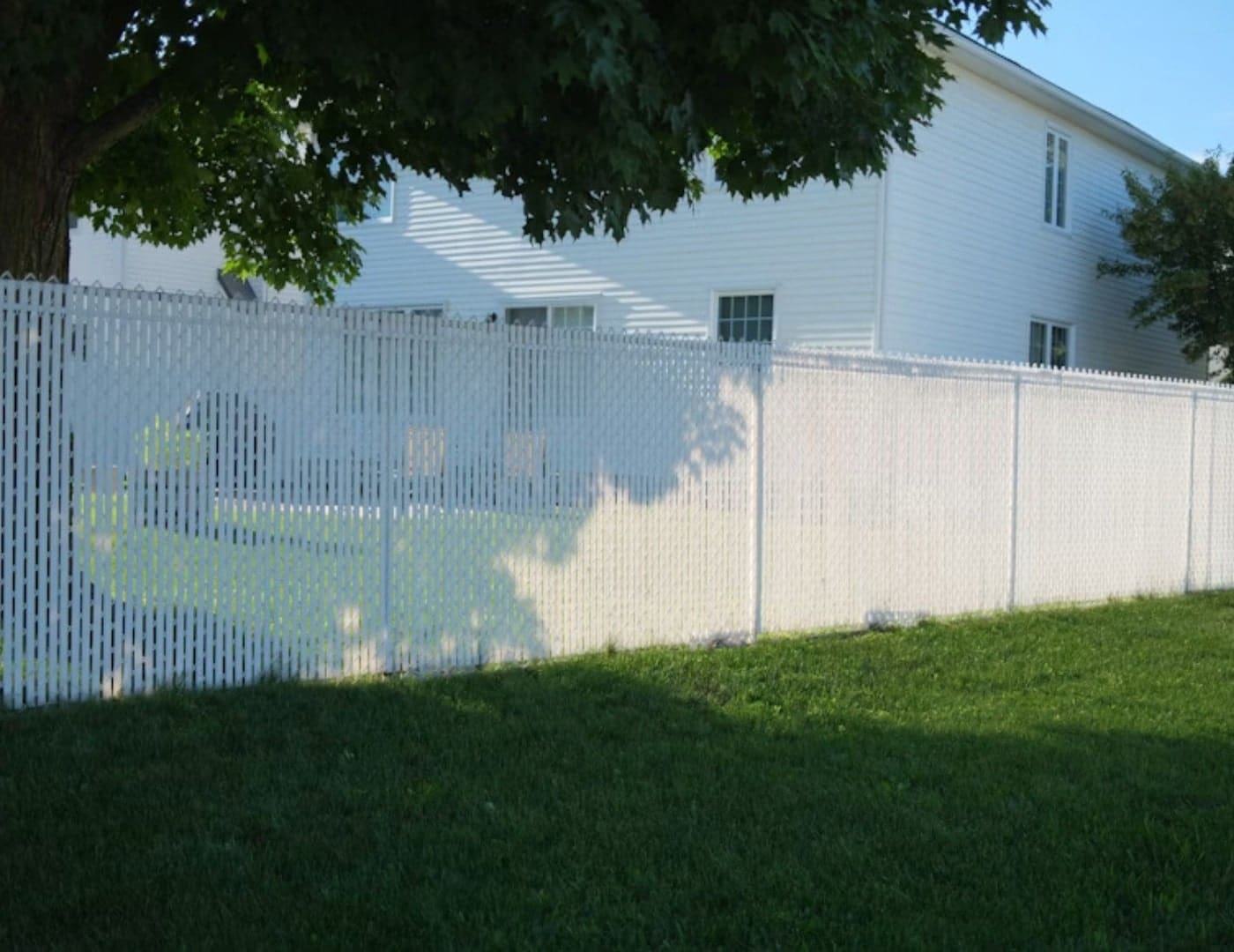
Should You Paint or Stain a Fence in Charleston
Choosing whether you should you paint or stain a fence in Charleston is a decision that goes far beyond appearance. Charleston’s humidity, frequent rain, and coastal exposure all influence how long a fence finish lasts and choosing the wrong product can lead to peeling, mildew, and costly repairs far sooner than expected.
The goal for Charleston homeowners isn’t just picking the finish that looks nice today. It’s selecting the option that will perform well in Lowcountry weather, protect the wood from moisture, and minimize long-term maintenance.
This blog explains how paint and stain behave in Charleston’s climate, the advantages and drawbacks of each, and how to determine which choice will give your fence the most durable, long-lasting protection.
The Difference Between Painting and Staining a Fence
Before comparing how each finish performs in Lowcountry conditions, it’s important to understand what makes paint and stain fundamentally different. Each product protects wood in a unique way, and those differences become more noticeable when exposed to Charleston’s humidity and temperature swings.
Paint creates a solid, opaque layer that sits on top of the wood. This film completely hides the wood grain and offers a uniform color. Stain, on the other hand, penetrates into the wood fibers and enhances the natural texture. Because stain absorbs rather than sits on the surface, it generally peels less and weathers more gradually.
To help homeowners make an informed decision, here’s how professionals explain the core distinctions:
How Paint Behaves on a Fence
Paint acts as a shell that shields the wood from UV exposure and moisture. It’s a great choice for homeowners who want a crisp, bold color or who need to cover older, uneven wood. However, because paint remains on the surface, it’s more likely to peel or chip when exposed to constant humidity or trapped moisture two issues Charleston residents know well.
Professionals often recommend paint for:
- Older fences with cosmetic flaws
- Homeowners wanting complete color coverage
- Fences that will be regularly maintained and touched up
How Stain Behaves on a Fence
Stain soaks into the wood, providing a breathable layer of protection. This allows moisture to escape more easily, reducing the risk of bubbling or peeling. Stain preserves the natural wood look and tends to require less intensive prep work during future maintenance.
Stain is often recommended for:
- Newer or well-maintained wood fences
- Wood species with attractive grain (like cedar)
- Homeowners seeking lower-maintenance upkeep
Homeowners comparing Charleston fence painting vs staining need to understand how each finish behaves before deciding which option will hold up best.
By understanding how each finish interacts with wood, you’ll be better prepared to choose the option that will offer the longest lifespan in the Charleston climate.
How Charleston’s Humidity and Moisture Impact Fence Finishes
Charleston’s climate plays a major role in how long a fence finish lasts. Between the region’s year-round humidity, salty coastal airflow, and periodic heavy rains, outdoor wood is constantly exposed to conditions that can shorten the lifespan of both paint and stain.
Understanding how each finish responds to this environment helps homeowners avoid premature damage and costly repairs.
Why Humidity Matters for Fence Coatings
High moisture levels cause wood to expand and contract throughout the year. When paint is sitting on the surface as a solid film, this natural movement can lead to cracking, bubbling, or full-scale peeling. Once paint loses its seal, moisture sneaks underneath and accelerates deterioration.
Stain, by contrast, moves with the wood. Because it penetrates the surface rather than sitting on top of it, it’s far less likely to trap moisture underneath.
How Rain and Moisture Exposure Affect the Fence
Charleston often sees long stretches of damp weather. This makes fences especially vulnerable to mildew growth, rot, and moisture intrusion if they’re not properly protected.
Professionals typically recommend:
- Stain for fences with direct exposure to rain or sprinkler overspray
- Paint only when the fence has proper drainage and sufficient sunlight to dry out
In shaded Charleston yards — especially those bordered by marshy areas or mature trees stain typically performs better because it doesn’t peel when moisture remains present for long periods.
Salt-Air Exposure Near the Coast
Homes in areas like James Island, Sullivan’s Island, and parts of Mount Pleasant deal with salt air that accelerates breakdown of exterior coatings. Salt spray can cause paint to blister and fade faster, while stain often weathers more gracefully under the same conditions.
UV Exposure from Charleston’s Intense Sun
Direct sunlight is another factor. Paint offers stronger UV protection than most stains, which helps prevent graying and sun-bleaching. Homeowners with backyard spaces that get full sun all day may prefer the added color stability of a high-quality exterior paint.
All of these climate factors influence which product becomes the best finish for outdoor wood Charleston homeowners can rely on for long-term durability.
If you live near salt air or strong coastal sun, it’s worth choosing coatings that are designed to withstand these conditions. We cover this in-depth in our guide to the best exterior paint for Charleston’s coastal climate
Pros and Cons of Painting a Fence in Charleston
Painting a fence offers a polished, uniform look — but Charleston’s climate adds unique considerations. Understanding the advantages and limitations helps homeowners decide when paint is the right choice and when it may lead to premature maintenance.
Benefits of Painting a Fence
Painting can be an excellent option in the right situations. Here’s what homeowners appreciate most:
- Full coverage and color options: Paint completely hides imperfections, knots, and mismatched boards. For older fences or yards where aesthetics matter, paint offers unmatched visual uniformity.
- Strong UV protection: Paint provides a thick barrier against Charleston’s intense sun, helping prevent wood from fading, drying out, or turning gray.
- Works well on older or weathered wood: If your fence has discoloration, staining, or cosmetic flaws, paint can restore a fresh, cohesive appearance.
Drawbacks of Painting in Charleston Weather
Although paint has many benefits, it also comes with climate-driven challenges:
- Peeling and cracking due to trapped moisture: Because paint sits on the surface, Charleston’s humidity can cause moisture to accumulate underneath. This often leads to peeling or bubbling, requiring more frequent scraping and repainting.
- More involved maintenance cycles: Once paint begins to fail, it fails in sheets. Repainting requires significant prep work scraping, sanding, and priming to restore a proper surface.
- Higher long-term upkeep: While paint looks great initially, the repair cycle can be longer and costlier over the years, especially in shaded yards or areas with poor air circulation.
When Painting Makes Sense for Charleston Homeowners
Professionals may recommend paint when:
- The fence is older and aesthetically uneven
- The yard receives strong, consistent sunlight
- A homeowner wants a bold color or a modern, finished look
- Maintenance is not an issue and long-term upkeep is expected
Painting remains a strong option it just requires realistic expectations and proper preparation in Charleston’s humid climate.
Pros and Cons of Staining a Fence in Charleston
Staining is often the preferred choice for many Lowcountry homeowners because of how well it performs in a humid, coastal environment. While stain delivers a more natural look, its biggest strengths come from the way it handles moisture and long-term weather exposure.
Benefits of Staining a Fence
Stain offers several climate-specific advantages in Charleston’s environment:
- Better moisture resistance and breathability: Because stain penetrates the wood instead of sitting on top, it allows moisture to escape. This dramatically reduces the risk of bubbling, peeling, or cracking — three of the most common issues caused by Charleston humidity.
- Lower maintenance over time: Stain gradually fades rather than failing in sheets. When it’s time for a refresh, the process usually involves light cleaning and reapplication — without scraping or sanding off peeling layers.
- Enhances natural wood grain: For homeowners with newer fences or attractive wood species, stain showcases texture and pattern rather than covering it up.
- Withstands coastal conditions more gracefully: In areas closer to the water Mount Pleasant, James Island, parts of Goose Creek stain tends to retain its look longer because it doesn’t blister when exposed to salt air.
Drawbacks of Staining
Even though stain is often the better performer in Charleston’s climate, it has a few limitations:
- Limited color options: While stains come in a range of tones, they don’t provide the same bold, opaque colors that paint offers.
- May require more frequent touch-ups for lighter tones: Transparent or lightly pigmented stains may need to be reapplied more frequently due to strong UV exposure in Charleston summers.
- Doesn’t hide flaws as well as paint: If the fence boards have mismatched wood tones, deep discoloration, or repairs, stain won’t conceal these as effectively.
When Staining Makes Sense for Charleston Homeowners
Professionals typically recommend staining when:
- The fence receives limited airflow or stays damp after rain
- The wood is newer or in good condition
- Homeowners prefer a natural, Lowcountry outdoor aesthetic
- Lower long-term maintenance is a priority
Stain tends to outperform paint in most of Charleston’s weather patterns, but both options can last when applied correctly by a professional.
How to Choose the Best Option for Your Charleston Property
Now that the strengths and limitations of each finish are clear, the final step is understanding which option is best for your specific fence, yard conditions, and long-term goals. Every Charleston property is different sun exposure, airflow, age of the fence, and proximity to the coast all play a role. This section helps homeowners make a confident, informed decision.
Evaluate the Age and Condition of Your Fence
Before choosing a finish, professionals look at the current wood condition. Here’s what typically guides the recommendation:
- New or well-maintained wood: Stain is often ideal because it penetrates evenly and highlights the natural grain.
- Older, discolored, or uneven boards: Paint can refresh and unify the look when stain would reveal imperfections.
- Cracked or previously coated surfaces: A professional may advise stripping or power washing before choosing either product.
A professional inspection ensures you’re not applying a finish over hidden moisture or deteriorating sections.
Consider Your Fence’s Sun and Moisture Exposure
Charleston’s microclimates vary from one neighborhood to the next. Your fence’s immediate environment will greatly influence longevity.
Here’s how experts evaluate exposure:
- Full-sun backyards (e.g., parts of Summerville or Ladson): Paint offers stronger UV protection and helps prevent fading.
- Shaded, damp areas (common in Mount Pleasant and James Island): Stain performs better because it breathes and prevents moisture-related peeling.
- Near-coastal zones with salt air: Stain often weathers more gracefully and requires less maintenance.
A good rule of thumb: the more moisture a fence retains, the more stain becomes the preferred choice.
Decide How Much Maintenance You Want Long-Term
Both finishes require upkeep, but the type of maintenance differs significantly.
Professionals typically explain the trade-offs this way:
- Paint maintenance: When it fails, it usually requires scraping, sanding, and priming before repainting more time and cost.
- Stain maintenance: Stain fades rather than peels, making touch-ups simpler and less labor-intensive.
If you prefer a lower-maintenance routine, stain is usually the more homeowner-friendly option in Charleston.
Choose the Look That Fits Your Property
Aesthetic goals matter too. The finish should complement your home’s exterior and landscape.
- Prefer bold color or full coverage? Paint is best.
- Want a natural Lowcountry wood aesthetic? Stain lets the grain shine through.
- Matching a historic or coastal design style? Soft stains and muted tones fit Charleston architecture beautifully.
When appearance and durability collide, a professional painter will help balance both for the best long-term outcome. If you’re thinking about updating your home’s overall look along with your fence, our guide to the latest interior painting trends in Charleston can help you create a cohesive style
Get a Professional Assessment for Personalized Guidance
Even with all the facts, the right choice can still depend on nuanced factors wood species, previous coatings, drainage, sprinkler patterns, fence height, and more. A quick on-site review from a Charleston painting expert gives homeowners clarity and prevents costly mistakes.
Choosing the Right Fence Finish in Charleston
By understanding whether you should you paint or stain a fence in Charleston, you can choose the finish that stands up best to local weather.
By considering the wood’s condition, your aesthetic goals, and how much maintenance you want to commit to, you can confidently choose the best long-term solution for your property.
If you’d like personalized guidance or want a professional evaluation of your fence, Fresh Start Paint Pros is here to help.
Request a quote or schedule a consultation today to ensure your fence gets the protection it needs to stand strong in Charleston’s unique climate.