
Painting Charleston’s Historic Homes: What Every Owner Should Know
Hi, I'm Humberto Machin, founder of Fresh Start Paint Pros. I started this company in 2022 because I wanted painting done right: no shortcuts, no guesswork. That's what I try to bring to every post here: real advice from real jobs. I hope these posts help you make a confident decision for your home.
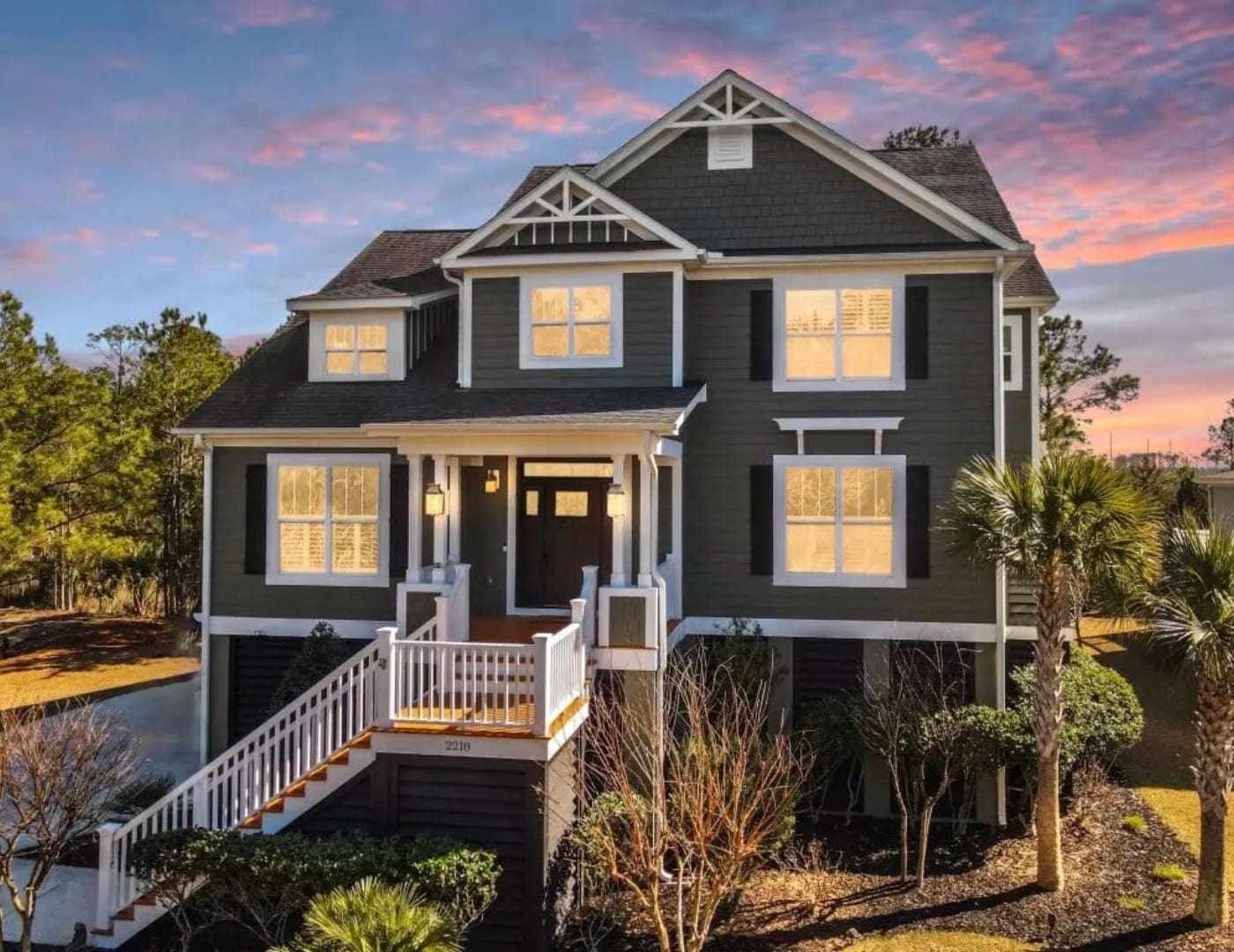
Walk down any street south of Broad and you’ll see it. Charleston historic homes have a look you can’t fake. Layers of history sit under every coat of exterior paint. Some of these houses have stood for more than two centuries. That’s a lot of hurricanes, a lot of humidity, and a whole lot of paint jobs.
If you own one of these homes, you already know the truth. They’re beautiful. They’re also a big responsibility.
This post covers what makes these homes special, what makes painting them different, how often they should be repainted, and the best time of year to do it. Let’s get into it.
Why Charleston’s Historic Homes Are Worth Protecting
Charleston protects over 2,500 historic structures, with styles spanning the 18th to the early 20th century. Together they tell the story of America’s architectural evolution — and they reflect the city’s deep commitment to preserving its past.
The variety is stunning. Georgian homes emphasize symmetrical facades and grand porches. Federal architecture brought refined, intricate moldings and lighter designs. Greek Revival is easy to spot by its grand columns and temple-like facades. Italianate and Victorian styles show off elaborate ornamental features, while Gothic Revival and Queen Anne round out the mix. And of course, there’s the famous Charleston Single House — one room wide, with a side piazza built to catch the harbor breeze.
The city’s earliest architects designed these homes to survive heat and humidity, adapting each style to the coastal climate and Charleston’s tight urban layout. That’s why so many still stand today.
These houses also carry stories. They reveal Charleston’s economic history through the wealth displayed in their grand rooms and facades — and many provide evidence of the lives of enslaved Africans and African Americans who built and ran them. Visit the Nathaniel Russell House, celebrated for its free-flying spiral staircase. Tour the Aiken-Rhett House for a raw, preserved-as-found experience, or the Edmondston-Alston House with its original furnishings and harbor views. The Joseph Manigault House shows the influence of English Neoclassical design, and the Heyward-Washington House holds Charleston’s only colonial-era kitchen building.
Every one of them wears paint. And that paint is the first line of defense keeping this history alive.
What Makes Charleston Historic Homes Different to Paint
A 1920s bungalow and a 1790s Single House are not the same painting project. Not even close.
Here’s why:
Old wood behaves differently. Historic siding is often old-growth heart pine or cypress. It’s denser and more durable than modern lumber. But after decades of wear, it can dry out, crack, or form soft spots. Every surface needs to be checked by hand before a drop of paint goes on.
Lead paint is common. Most homes painted before 1978 have lead somewhere in their paint layers. Sanding it the wrong way puts dust in your yard, your garden, and your lungs. Certified painters follow strict containment rules. General contractors often don’t.
Layers on layers. Some Charleston walls carry ten or more coats of paint. Add another on top of a failing layer and it will peel quickly, no matter how good the new product is. Proper prep means knowing what to strip and what to keep.
The Board of Architectural Review has opinions. Change your exterior color in the historic district without approval and you may be redoing it. Painters who work here often can guide you through the process.
The coastal climate is brutal. Salt air, intense sun, high humidity, and sideways rain all attack your home’s exterior year-round. Paint that lasts 10 years in a dry state might fail in five here. Product choice matters as much as technique.
In the historic district, the Board of Architectural Review sign-off comes before the color deck — approval first is the cheapest step of the whole project.
How Often Should You Paint Your House?
It’s the question we hear most from local homeowners. And the honest answer is: it depends on your home, your exposure, and how well your last paint job performs.
As a general rule, exterior paint needs refreshing every 5 to 10 years. Interior walls can go 5 to 15 years. But Charleston historic homes usually sit at the shorter end of that range. Ideally, plan on every 5 to 7 years for exteriors near the water.
Why so often? Moisture. Humidity works its way into old wood and pushes paint off from behind. Salt speeds up the wear. UV light fades color and breaks down the paint film itself.
Here’s a money-saving tip most people miss. Repaint before the old coat fails everywhere. If you wait until paint is peeling across the whole house, prep costs go way up. Catch it early and a new coat goes on faster, bonds better, and helps extend the life of your siding. Waiting almost always makes the problem worse — and the bill bigger.
Product quality matters too. High-quality paint costs more per gallon, but the added durability means longer-lasting results and fewer repaints down the road.
Signs Your Home’s Exterior Needs a New Paint Job
Wondering where your house stands? You don’t need to guess. A few clear signs will help you determine if it’s time:
- Peeling, bubbling, or cracking paint. The number one red flag. Once the paint film breaks, water gets to the wood underneath.
- Fading or chalky color. Rub a hand on the siding. If it comes back powdery, the paint has broken down and no longer protects the surface.
- Soft or gray wood. Bare, weathered spots mean the paint failed a while ago. Rot may already be forming.
- Caulk gaps around trim and windows. Failed caulk lets moisture behind the walls, where damage hides.
- Mildew that keeps coming back. A common issue in our climate, and a sign the coating has lost its resistance.
Note: one or two small trouble spots may only need touch-ups. A good local painter will tell you the difference instead of selling you a full repaint you don’t need. That’s part of how we do business.
The Best Time to Paint a House Exterior in Charleston
If you’ve ever searched “best time to paint house exterior,” here’s the short answer for Charleston: spring or early fall. Those seasons give us the most days with mild temperatures, lower humidity, and dry weather conditions — ideal for scheduling your exterior painting project.
Design pros land on the same calendar: “the best time to paint your house exterior would be between late spring and early fall,” when the weather is mild with less humidity and moisture in the air — the conditions that let a coat dry evenly.
— Source: Homes & Gardens, “The best time to paint a house exterior”
Here’s what paint actually needs to cure well:
The right temperature. Most modern exterior paint adheres best between 35ºF and 100ºF, but the sweet spot is much narrower. Recommended temperature ranges from most manufacturers land between 50ºF and 85ºF. Too hot, and paint dries before it can level out. Too cold, and it never cures properly.
Low humidity. Humidity should be as low as possible on painting day. Moisture in the air slows drying and can prevent paint from curing right. In Charleston, that rules out most July and August afternoons.
For a working target, the best results come from painting in “moderate humidity between 40 and 70 percent” — higher slows drying and invites streaking, lower makes paint set before it can level.
— Source: Family Handyman, “The Best Temperature to Paint Outside”
No rain — before or after. Surfaces must be dry before painting, and paint needs a day or two to cure before rain hits. Always check the forecast for several days around your project, not just painting day itself. A good crew verifies the weather before locking in your schedule.
Calm air. Wind can blow dust and debris into wet paint. It also dries paint too fast on the surface while it’s still soft underneath.
Indirect light. Avoid painting in direct sunlight when you can. A wall baking in full sun can hit temperatures far above the air reading. Good crews chase the shade around the house over the course of the day.
Can You Paint in November or December?
Yes — sometimes. Charleston winters are mild, and a dry December week with highs in the 60s can be a great window. Modern low-temp paints handle cool days well. Off-season scheduling can also mean shorter waits and more flexible timing. Just give the paint a few hours longer to dry between coats when it’s cold.
A dry December week in the 60s is one of Charleston’s best-kept scheduling secrets — shorter waits, flexible dates, and modern low-temp paints that handle it well.
Why Hire Historic Home Specialists Instead of a General Painter
We’ll be honest: a general painter can put color on your walls. But Charleston historic homes deserve more careful consideration than that.
Specialists ensure the prep is done right. That means surfaces are properly cleaned, loose layers removed, bare wood primed, and lead handled safely. They know which products bond to century-old siding and which ones trap moisture and cause rot. They understand historic district rules. And they take pride in choosing methods that protect original details — not sand them into oblivion.
Veteran craftsmen keep repeating one line because it keeps being true: “Preparation is the most important part of a painting project” — and on a century-old facade, the thoroughness of that prep is exactly what separates a professional result from an amateur one.
— Source: This Old House, “Prep for Success: Tips for a Pro-Level Paint Finish”
Most people agree the paint job itself is the easy part. It’s everything before the paint that decides whether your finish lasts three years or ten.
Ready to Protect Your Piece of Charleston History?
Fresh Start Paint Pros is a local, veteran-owned painting company based in Summerville, serving Charleston and the entire Lowcountry. Our team brings more than 50 years of combined experience and specializes in historic home restoration. Every exterior project is backed by our 5-year warranty, and we’re fully licensed and insured.
“A Charleston facade isn’t just siding — it’s two hundred years of decisions layered under the paint. Our job is to respect every one of them: test before we strip, contain the lead, prime the old-growth wood properly, and put on a coat that guards the history for the next owner too.”
— The team at Fresh Start Paint Pros, Summerville, SC · (843) 270-5048
Whether you’re planning a full restoration or just want an honest opinion on your home’s condition, we’re happy to help. Estimates are free and pressure-free. You can explore all our services on our website — and if this page helped, our blog has more local painting tips.
Call Fresh Start Paint Pros at (843) 270-5048 or request your free quote online today.