
Why Winter Is a Good Time for Interior Painting in Charleston
If you’re a Charleston homeowner thinking about refreshing your interior spaces, you may be wondering whether winter is really a smart time to paint. Many people assume painting projects should wait until spring or summer, especially in a coastal climate like ours. But that assumption often leads homeowners to miss out on some real advantages that come with winter interior projects.
Charleston’s weather is very different from colder parts of the country, and that difference plays a big role in how paint performs indoors. Temperature, humidity, and daily living patterns all affect how smoothly a painting project goes and how good the final results look. Understanding these factors can help you decide if now is the right time to move forward or if waiting actually creates more challenges.
This guide explains why winter is a good time for interior painting in Charleston, focusing on how local conditions impact paint performance, what practical benefits homeowners experience during this season, and why winter is often easier than expected.
It will also address common concerns homeowners have about painting during colder months and explain how professional painters manage those concerns. By the end, you’ll have a clear, confident understanding of whether winter interior painting makes sense for your home.
Does Winter Interior Painting Make Sense in Charleston?
For many homeowners, hesitation around winter painting comes from thinking about colder regions where freezing temperatures and harsh conditions can interfere with paint projects. Charleston’s winters are very different, and those differences make a big impact when it comes to interior painting.
Interior painting in Charleston is not exposed to freezing outdoor temperatures. Inside the home, temperatures remain stable and comfortable throughout winter, which is exactly what paint needs to apply evenly and cure properly. Unlike exterior work, indoor projects are protected from cold snaps, wind, and moisture exposure.
Humidity is the bigger factor to consider.
Charleston summers bring high humidity that can slow drying times and affect how paint adheres to walls. Winter typically brings lower indoor humidity levels, creating a more controlled environment for painting.
Reduced winter humidity supports better results in several ways:
- Paint dries more evenly and predictably.
- Curing happens at a steady pace instead of dragging out.
- There is less risk of tacky surfaces, streaking, or uneven sheen.
- Moisture-prone areas like kitchens and bathrooms benefit from improved adhesion.
Because of these conditions, winter interior painting in Charleston is both practical and common. Many homeowners find that winter provides some of the most reliable indoor painting conditions of the year, leading to smoother finishes and longer-lasting results.
Benefits of Winter Interior Painting for Homeowners
Beyond paint performance, winter offers several practical advantages that make interior painting easier and more convenient for Charleston homeowners. These benefits often have less to do with the paint itself and more to do with how people live in their homes during this season.
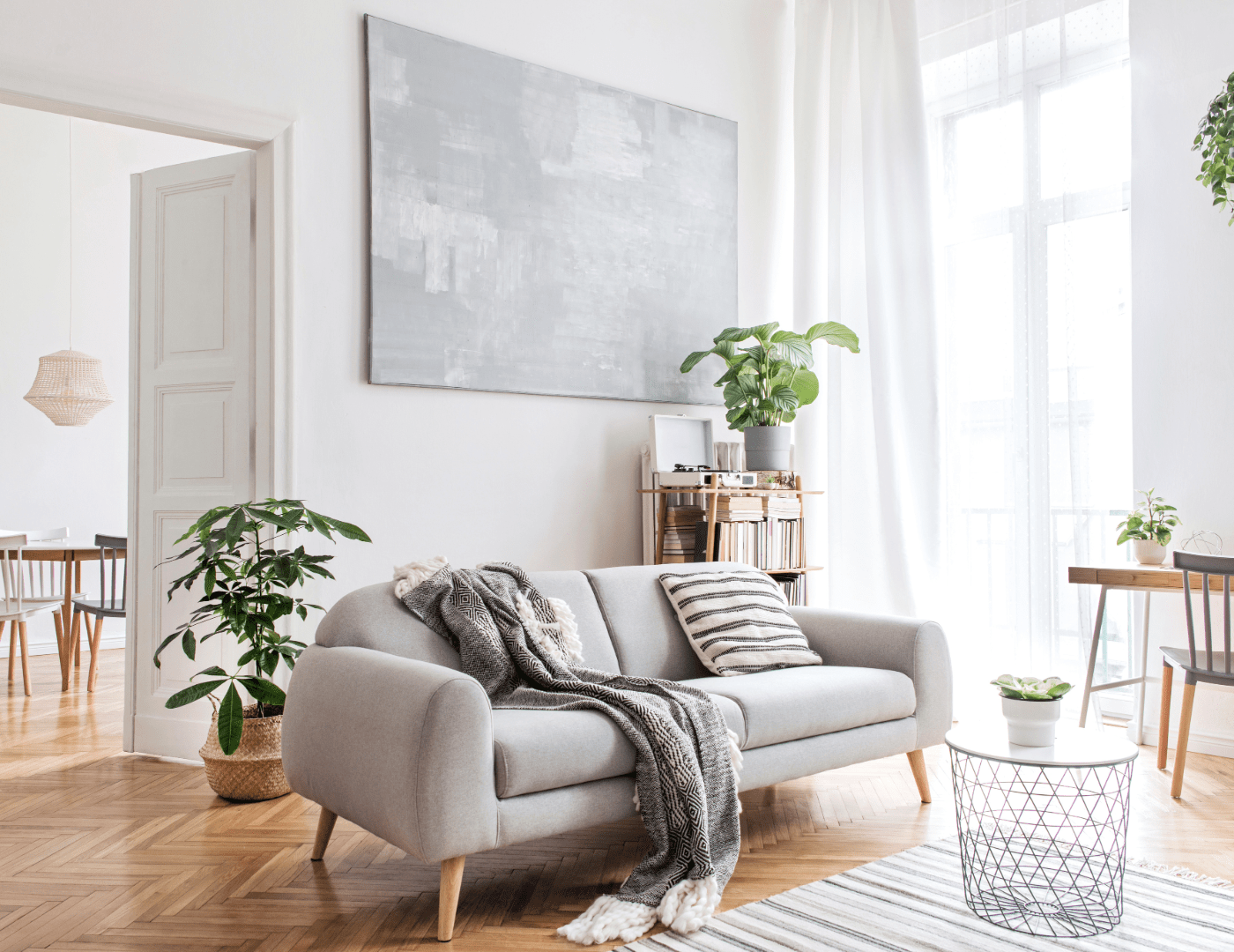
Winter is a time when most families naturally spend more time indoors. Because of that, changes to interior spaces are more noticeable and immediately appreciated. Freshly painted walls, updated trim, or a new color scheme can make your home feel brighter and more comfortable during months when you’re inside more often.
Winter interior painting also fits well with common homeowner timelines:
- Projects can be completed before spring entertaining begins.
- Homes can be refreshed ahead of listing or selling season.
- Interior updates don’t compete with outdoor maintenance priorities.
Another advantage is reduced competition for home improvement schedules. Spring and summer are peak seasons for exterior painting, pressure washing, roofing, and landscaping. Winter shifts the focus indoors, which can simplify planning.
Homeowners often experience:
- Greater flexibility when scheduling painting projects.
- More options for start dates that fit personal routines.
- Fewer delays caused by packed contractor calendars.
Winter can also mean smoother project timelines. With fewer overlapping jobs and less weather-related disruption, interior painting projects often move efficiently from start to finish. This can reduce the overall disruption to your daily routine, especially for families working from home or managing busy schedules.
For many Charleston homeowners, winter becomes a natural window to handle interior upgrades that tend to get pushed back during warmer months. When combined with the favorable indoor conditions, these practical benefits make winter a surprisingly convenient and stress-reducing time to refresh your living spaces.
Once homeowners decide winter is the right time to paint, exploring current interior painting trends in Charleston can help narrow down colors and finishes that feel fresh and updated
Common Homeowner Concerns About Winter Interior Painting
Even after learning that winter conditions in Charleston are generally favorable, many homeowners still have understandable concerns. These questions often come up when deciding whether to move forward or wait for warmer months.
One common worry is that cold weather could affect paint performance. Homeowners may assume lower outdoor temperatures automatically mean poor results indoors. In reality, interior painting is not exposed to outdoor cold, and indoor temperatures remain well within the range paint needs to apply and cure properly.
Ventilation is another frequent concern. With windows closed more often in winter, homeowners may worry about:
- Proper airflow during the project
- Lingering paint odors
- Indoor air quality while rooms are being painted
There’s also hesitation around timing. Some homeowners fear winter painting could feel disruptive when families are already spending more time inside, or that the season itself makes painting riskier or more complicated than it needs to be.
These concerns are reasonable, especially for anyone who hasn’t painted indoors during winter before. However, they’re largely based on assumptions rather than how professional interior painting is actually handled in Charleston homes. Understanding how these issues are managed can make the decision much clearer and far less stressful.
How Professional Painters Address Winter Painting Concerns
Professional painters account for seasonal conditions on every job, and winter interior painting is no exception. In Charleston homes, experienced painters rely on proven processes to ensure winter projects run smoothly and deliver consistent results.
Temperature control is one of the first priorities. Interior painting requires stable conditions, and professionals make sure indoor temperatures stay within the ideal range throughout the project. This allows paint to apply evenly and cure properly, regardless of what’s happening outside.
Ventilation is handled intentionally, not left to chance. Rather than simply opening windows, painters use controlled airflow to manage odors and maintain indoor air quality without dropping temperatures too low. This helps balance comfort with proper drying.
Professionals also choose materials with the season in mind:
- Paints and primers suited for indoor winter conditions
- Products that perform well in lower humidity environments
- Low-odor options that reduce lingering smells
Preparation plays a major role as well. Proper surface prep helps minimize moisture-related issues and ensures paint bonds correctly. This is especially important in kitchens, bathrooms, and other high-use areas.
Working with experienced local painters matters. Charleston homes have unique layouts, materials, and climate considerations. Professionals familiar with the area understand how winter conditions interact with those factors and adjust their approach accordingly.
By managing temperature, ventilation, materials, and preparation, professional painters remove the seasonal risks homeowners worry about. The result is a smooth, efficient project and high-quality finishes that hold up long after winter ends.
Why Winter Is a Smart Season for Interior Painting in Charleston Homes
Winter interior painting works well for Charleston homes because the season naturally supports better indoor conditions. Mild winter temperatures keep interiors comfortable and stable, while lower humidity helps paint dry and cure more evenly. These factors combine to reduce common issues like streaking, tacky finishes, or uneven sheen.
Beyond performance, winter offers practical advantages for homeowners. Spending more time indoors makes refreshed spaces more noticeable and enjoyable. Projects can be completed before spring entertaining or listing timelines begin, and interior upgrades don’t compete with exterior maintenance priorities. Many homeowners also find winter schedules easier to manage, with greater flexibility and smoother project timelines.
Concerns about winter painting are understandable, but they’re largely addressed through professional planning. Experienced painters manage temperature, ventilation, product selection, and preparation to ensure consistent results. When handled properly, winter interior painting isn’t risky—it’s efficient, controlled, and often more predictable than warmer, more humid seasons.
For Charleston homeowners deciding whether to move forward, winter offers a clear opportunity to refresh interiors without waiting months for ideal conditions. Understanding how climate, scheduling, and professional expertise work together makes it easier to plan with confidence.
If you’re considering an interior painting project this winter, the next step is simply a conversation. A professional consultation can help you evaluate timing, room priorities, and preparation needs for your home. Fresh Start Paint Pros can walk you through the process, answer questions, and help you decide whether winter is the right time to bring new life to your interior spaces.